When AI can easily produce 100-point perfect content, perfection becomes the new mediocre. The true value is not producing objective facts, but the story and trust behind the person conveying the facts. From Waki's perspective, understand how to transition from 'memory' to 'sensor', build a moat with taste and 'project packs', escape the 'efficiency trap', and give the saved time back to real human connections to reclaim irreplaceable value in the AI era.
From SpaceX's exploding rockets to Tesla's Model 3 production hell, Elon Musk refined the strict 'Five-Step Algorithm' and 'First Principles' building philosophy. We analyze the core management thinking of the book 'Elon Musk', exploring how speed became the strongest defense and the feedback loop behind sleeping on the factory floor.
Many companies tend to promote their top-performing employees to managers, only to find that it often marks the beginning of a team disaster. How can new managers avoid taking on too much work? And how can they build a high-performing, mutually trusting team through one-on-one meetings and managing up?
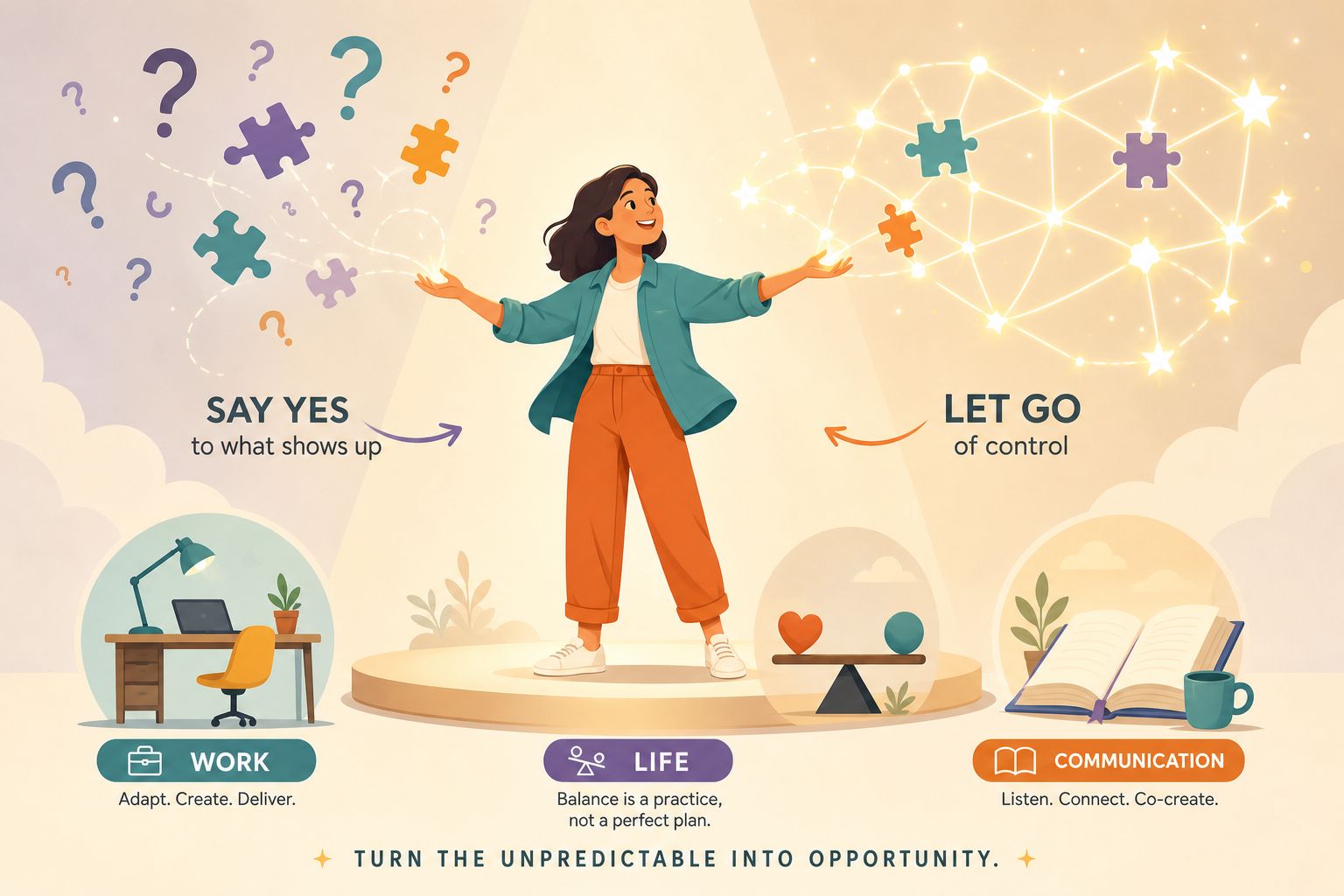
Big data company Palantir lists the improv classic 'Impro' as a must-read for new hires because, in the face of uncertainty, understanding the unwritten rules of human interaction is far more important than clinging to SOPs. From the flowing power dynamics of status, to the rigidity caused by self-censorship, how rejection is an attack, to Yes And and the gift exercise, and reweaving materials like 'a person walking backward'—learn how to use improv thinking in the workplace, communication, and life to embrace chance, let down your guard, and turn uncertainty into opportunity.
Perfect integration of Western ecological science "Permaculture" and ancient "Daoist philosophy"! From the fish-duck-pond symbiosis in Japan's Satoyama Masue Village, to how Chongqing farmers use crawfish and black soldier flies to create the ultimate energy closed loop. Wu-wei, the slow water philosophy of Shang-Shan-Ruo-Shui, and the awakening of the Zone 0 inner ecosystem. Nature is not always kind; only by turning trouble into misplaced resources can we master the "Doomsday Ticket" to cope with future uncertainty!
When "Is this AI?" turns from a joke into defense and fear, the underlying trust anchor of the internet is shifting backward. How AI models and reverse prompting dismantle barriers to creative skills and dilute original dignity, exploring how we can re-prove human emotion and unique value in the post-trust era of pixel-level mistrust.
Wu Danru applies Inamori Kazuo's Amoeba management philosophy to influencer e-commerce, achieving extremely high output per capita with a core team of only 3 people. By turning employees into mini-company owners through 'independent accounting', defining profit-sharing ratios in advance to stimulate initiative, and establishing transparent financial reports to prevent moral hazards, all paired with a flat organization and flash sales strategy, a highly profitable business model for small companies without large headcount is created.
The Thucydides Trap doesn't just happen in great power games. The power anxiety between senior managers and parachuted rookies in the workplace, business giants blocking innovators, and parents confronting adolescents are all the same structural contradictions. Understand this logic of power and use strategies such as binding interests, drawing red lines, and opening up blue oceans to resolve interpersonal and workplace crises.
The Thucydides Trap is an international relations theory proposed by Harvard scholar Graham Allison, describing the risk of war when a rising power threatens a ruling hegemon. Reviewing 16 cases of major power transitions over 500 years—where 12 ended in war—and exploring its core mechanisms and academic debates from the Cold War to the US-China trade war.
Before chasing hot trends like AI and blockchain, patience, English, focus, and influence writing are the keys to non-linear growth and flipping your fate. Learn how to cultivate patience through visualized progress, double your income with English by breaking information gaps, regain focus with meditation and Pomodoro, and build a thought lever to attract mentors through writing.